

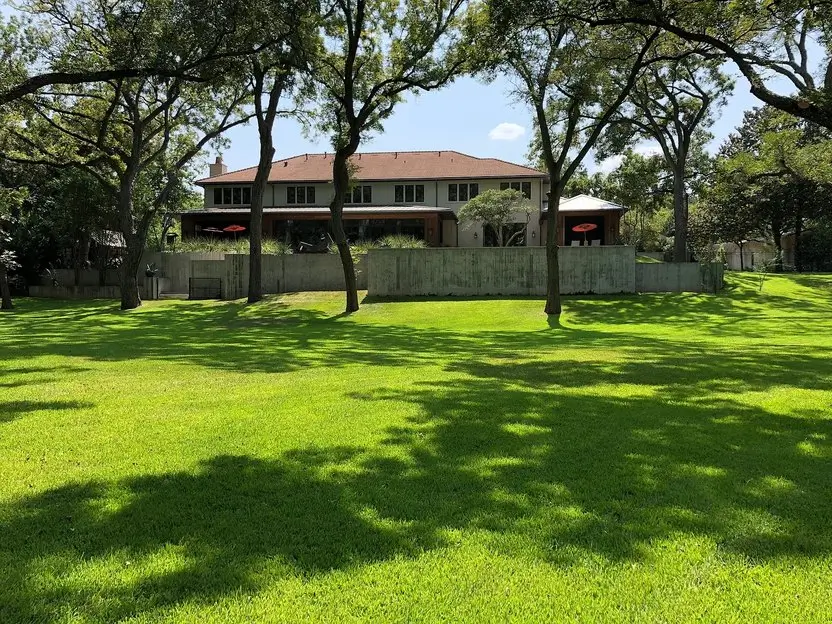
Joe Rogan didn’t become the world’s biggest podcaster just because of his guests. He built an environment where three-hour conversations feel effortless. When he moved to Austin, Texas, one of his first priorities was constructing a dedicated, detached podcast “bunker” on his property.
Most of us don’t have a celebrity budget—but the garden studio trend is exploding. Whether you’re a podcaster, comedian, voice actor, or remote professional, a properly built backyard studio gives you privacy, focus, and professional-grade sound without renting commercial space.
This guide is for: people who want a quiet, long-session studio that actually works. This is not: a quick acoustic foam makeover.
Before You Build: The Stuff Everyone Forgets
Before buying materials or sketching layouts, handle these unglamorous checks first. Skipping them is how projects stall—or fail.
- Permitting & Zoning: Many councils classify backyard studios as detached accessory buildings or ADUs. This affects maximum size, setbacks from property lines, and allowed utilities. Always confirm local zoning rules before pouring a slab.
- Power Supply: A studio needs more than an extension cord. Plan for a dedicated electrical sub-panel to handle audio gear, lighting, and HVAC. This also reduces electrical noise and grounding issues.
- Internet Connectivity: Backyard Wi-Fi is unreliable once you add insulation and foil-backed barriers. Run a hardwired ethernet line for stable livestreams, uploads, and remote guest calls.
- Drainage & Access: Poor drainage around the base of the structure is one of the fastest ways to destroy flooring and wall materials over time.
Professional builders plan these details first—because fixing them after the walls are closed is slow, loud, and expensive.
Phase 1: The “Bunker” Shell (Weatherproofing Comes First)
A silent studio is useless if moisture destroys it. In garden builds, the biggest enemy isn’t sound—it’s water.
Start with a solid concrete slab foundation and a sub-floor designed for exterior conditions. Standard interior plywood isn’t enough.
For the sub-floor and wall sheathing, use high-quality WBP Plywood. WBP (Weather and Boil Proof) plywood uses melamine-based glue that prevents delamination under moisture and humidity—critical for detached structures exposed to seasonal weather.
If your structure fails here, no amount of acoustic treatment will save it.
Phase 2: True Soundproofing (The “Room Within a Room”)
To achieve that “dead” silence heard on professional podcasts, you must stop sound from entering and leaving the room. Acoustic foam alone won’t do that. You need mass and decoupling.
- Decoupling: Build a floating interior structure so internal walls don’t directly touch the outer frame. Resilient channels or isolation clips reduce vibration transfer.
- The Sandwich Method: Use two layers of heavy drywall with acoustic damping compound (such as Green Glue) between them. This converts vibration into heat, dramatically reducing sound transmission.
Important: Soundproofing stops sound traveling through walls. Sound treatment controls echoes inside the room. Serious studios need both.
Choosing the Right Materials (Why Pros Use Them)
- Rockwool vs. Pink Fiberglass: Mineral wool insulation (such as Rockwool) is denser than standard fiberglass, allowing it to absorb a wider range of frequencies—especially vocal mids and lows. It’s also fire-rated, making it safer for sealed studio environments.
- Mass Loaded Vinyl (MLV): For studios near traffic or noisy neighbors, MLV adds serious isolation without taking up much space. Installed between drywall layers or over studs, it helps block low-frequency noise that drywall alone struggles with.
In short: absorption improves sound inside the room; mass blocks sound from getting through the walls.
Phase 2.5: The Oxygen Problem (Silent HVAC Is Mandatory)
A properly soundproofed studio is almost airtight by design. That’s great for noise—but terrible for long sessions.
Two people in a sealed room for three hours will quickly raise temperature, humidity, and CO₂ levels, leading to fatigue, headaches, and sluggish conversations.
- Mini-Split AC Systems: The gold standard for backyard studios. Mini-splits are quiet, efficient, and require minimal wall penetration, preserving sound isolation while providing heating and cooling.
- Fresh Air with Baffle Boxes: Cooling isn’t enough—you need oxygen. A baffle (or muffler) box allows fresh air exchange while forcing sound through an insulated zig-zag path, preventing noise leaks.
You can’t have a three-hour effortless conversation if you’re sweating or slowly suffocating. Comfort is part of the signal chain.
Phase 3: The Aesthetic (Functional, Not Flashy)
Modern studios have moved away from curtain-heavy designs toward structural, controlled environments.
- Wood Slat Panels: These diffuse reflections while maintaining clarity, preventing the room from sounding flat or boxy.
- Lighting: Use dimmable LED strips and warm accent lamps. Overhead office lighting kills mood and energy.
The goal is relaxed focus—not a vocal booth.
Phase 4: The Gear (Simple, Proven Choices)
- Microphone: Shure SM7B — forgiving, consistent, and built for long conversations.
- Headphones: Sennheiser HD280 Pro — closed-back to prevent bleed.
- The Desk: Heavy, solid wood. Lightweight desks transmit vibration straight into the mic.
Common Backyard Studio Mistakes (and How to Avoid Them)
Overusing Acoustic Foam: Foam absorbs high frequencies but does almost nothing for low and mid-range vocal energy. Overusing it makes voices sound dull, lifeless, and fatiguing to listen to. Fix: Combine limited absorption with diffusion elements like wood slat panels or bookshelves to preserve natural speech dynamics.
No Ventilation Plan: Once a studio is properly sealed, heat and CO₂ build up fast. This leads to sweating, headaches, and conversations that lose momentum long before the session ends. Fix: Plan silent airflow early using a mini-split system for temperature control and baffle boxes for fresh air exchange.
Skipping Hardwired Ethernet: Insulated walls, foil vapor barriers, and dense materials destroy Wi-Fi signal strength. This results in dropped livestreams, choppy remote guests, and failed uploads. Fix: Run a dedicated ethernet line before closing the walls—it’s cheap, invisible, and impossible to add later without demolition.
Final Thoughts
Building a backyard studio is an investment in focus, comfort, and creative output. When you prioritize weatherproofing, real sound isolation, proper airflow, and professional materials, you create a space where conversations can unfold naturally—hour after hour.
That’s the real lesson behind the “Rogan bunker”: not aesthetics, but environments that let people talk without friction.