

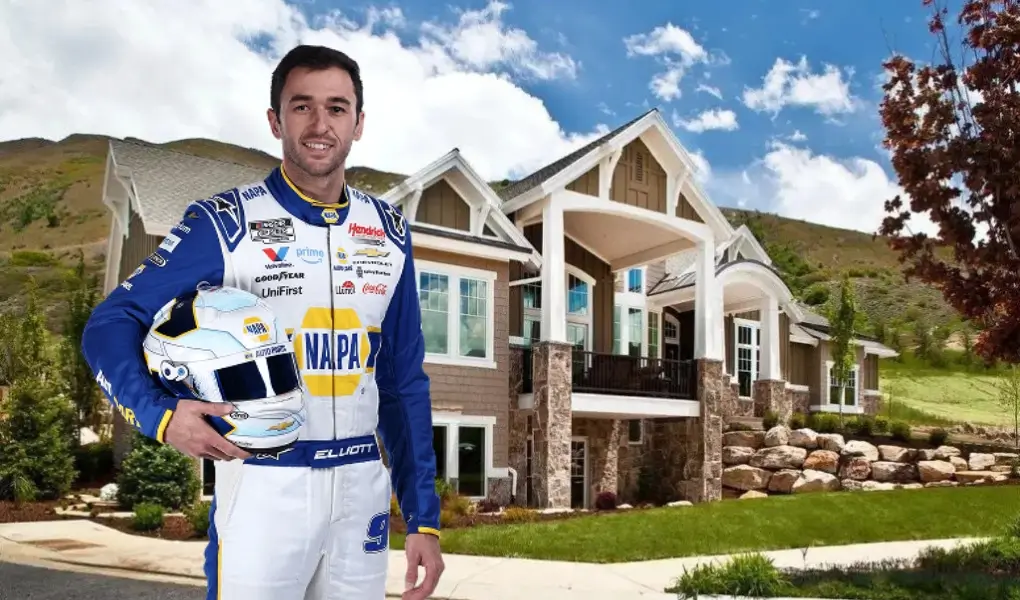
Most NASCAR stars relocate to North Carolina to stay close to the sport’s heartbeat. Chase Elliott did the opposite. He returned home. That single decision tells you everything about the man behind the wheel.
Instead of chasing convenience, Elliott chose roots, legacy, and identity. His residence in Dawsonville, Georgia is not just a house. It is a carefully positioned estate that blends family heritage, rural luxury, and practical access to racing infrastructure. This article breaks down the architecture, land use, and cultural weight behind one of NASCAR’s most fascinating homes.
Where Does Chase Elliott Live?
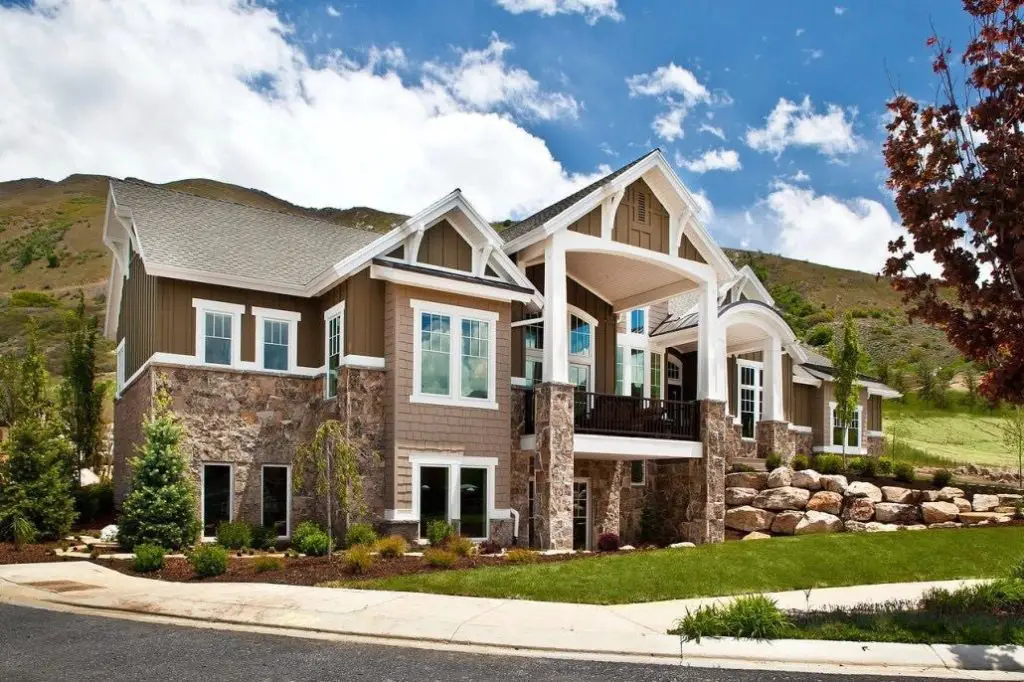
As of 2026, Chase Elliott lives in Dawsonville, Georgia, the same town where his story began. Unlike many drivers tied fully to Hendrick Motorsports operations in North Carolina, Elliott maintains a strong physical and emotional base in his hometown.
He briefly lived in North Carolina early in his career to stay close to the NASCAR hub. However, he returned, stating clearly that he prefers being at home. That choice reflects a deeper strategy. He stays connected to his support system while still maintaining access to professional facilities.
Location: Why Dawsonville Matters
Dawsonville is not just a hometown. It is a motorsports landmark. The area ties directly to the Elliott family legacy, anchored by Bill Elliott, the 1988 NASCAR champion.
The property sits near Elliott Family Parkway (Hwy 53), a road named in honor of that legacy. This creates a rare real estate dynamic where geography itself reinforces brand identity.
- Close proximity to family residences
- Deep ties to local racing culture
- Positioned within the Appalachian foothills
- Access to rural privacy with functional connectivity
Few athletes operate from a location so closely tied to their personal brand.
The Estate Overview: Size, Layout, and Value
Chase Elliott’s primary residence is widely reported as a $1 million home. However, deeper property analysis reveals a much larger estate footprint tied to the Elliott family.
Key specifications include:
- Approximate size: 7,400 square feet
- Land: 17-acre estate
- Structure: Multi-story brick home
- Bedrooms: 3
- Bathrooms: 4
The estate follows a traditional architecture style, with a brick-front design and multi-level structure that fits naturally into the Appalachian terrain.
This is not flashy luxury. It is controlled, functional, and long-term oriented.
Architectural Style and Spatial Flow
The home’s design focuses on privacy, elevation, and environmental integration. Located within the Appalachian foothills, the property uses natural slope and tree coverage to create separation from surrounding land.
Key architectural elements include:
- Elevated positioning for mountain views
- Layered interior floors for functional zoning
- Guest house or secondary suite for flexibility
- Outdoor orientation toward rolling terrain and creek frontage
The presence of Sweetwater Creek frontage adds both aesthetic and practical value. It enhances drainage, landscape appeal, and long-term land stability.
This type of layout reflects rural luxury rather than suburban design. It prioritizes space and control over density.
Infrastructure: Built for Independence
One of the most overlooked aspects of the property is its infrastructure. Unlike urban luxury homes, this estate relies on independent systems.
- Private well system for water supply
- Septic system instead of municipal sewage
- Zoning: R-1/A (Residential/Agricultural)
This zoning classification allows flexibility for land use while maintaining low-density development. It also protects long-term property value by limiting nearby expansion.
From a real estate perspective, this is a strategic advantage.
Elliott Field: The Hidden Power Asset
One of the most important features tied to the Elliott estate is Elliott Field, a private airstrip owned by the family.
This is not a minor detail. It changes everything.
- 5,700-foot paved runway
- Supports private aircraft operations
- Enables direct travel to NASCAR hubs
The airfield has undergone vetting by the Georgia Department of Transportation and aviation authorities, adding legitimacy and long-term usability.
This infrastructure solves the biggest challenge of living outside North Carolina. It allows Elliott to maintain rural residence while staying fully connected to the racing circuit.
Unique Structures: Beyond the Main House
The estate includes additional structures that elevate its utility and uniqueness.
- Guest house or secondary suite
- 29-stall commercial kennel
The kennel is particularly unusual. It suggests either a prior commercial use or a specialized renovation. Either way, it adds functional diversity rarely seen in celebrity homes.
This is not a property built only for show. It is built for use.
Family Compound and Legacy Living
Chase Elliott does not live in isolation. He lives within a broader family compound structure.
His parents, Bill and Cindy Elliott, maintain residences in the same area. Bill Elliott’s estate reportedly includes:
- Gated entrance
- Large-scale property footprint
- Mountain-facing views
This clustering creates a private ecosystem. It allows independence while preserving daily access to family support.
In modern athlete living, this setup is rare and highly intentional.
Cultural Anchors Around the Home
The property connects directly to local landmarks that reinforce its cultural significance.
The Dawsonville Pool Room, located on Bill Elliott Street, plays a major role in this identity. Every time Chase wins, the restaurant sounds its famous “si-reen.” This tradition links his victories directly back to his hometown.
Nearby, the Georgia Racing Hall of Fame preserves the legacy of both Chase and Bill Elliott. These landmarks transform the home into part of a larger narrative.
This is not just where he lives. It is where his story is celebrated.
Charity and Community Investment
Chase Elliott and his father have also used their Dawsonville properties for community impact.
In 2025, they reportedly donated a property valued at $3.9 million to be converted into a shelter for homeless youth. This move reflects a long-term commitment to the region.
It also reinforces the idea that the Elliott estate is not isolated from its surroundings. It actively contributes to them.
Secondary Residence: Colorado Retreat
While Dawsonville remains his primary base, Elliott has spent time in Edwards, Colorado. This secondary home serves as a seasonal retreat, especially during the off-season.
The contrast between the two locations is strategic:
- Dawsonville for roots, operations, and family
- Colorado for privacy, recovery, and escape
This dual-location approach balances performance and lifestyle.
Why Chase Elliott’s Home Stands Out
Most NASCAR drivers follow a clear migration pattern. They move to the Charlotte or Lake Norman area for convenience.
Chase Elliott broke that pattern.
His Dawsonville estate offers:
- Deep cultural identity
- Strategic infrastructure like Elliott Field
- Long-term land value through zoning and acreage
- Strong family integration
This combination creates a rare model of athlete living. It blends independence with connection, and luxury with purpose.
Final Analysis
The Chase Elliott house in Dawsonville, GA is not about excess. It is about control, legacy, and positioning.
Every element of the estate serves a function. The land ensures privacy. The architecture supports lifestyle. The airfield enables mobility. The location preserves identity.
In a sport where most drivers cluster around convenience, Elliott built a base that reflects who he is. That decision may be the most strategic move of his career.