

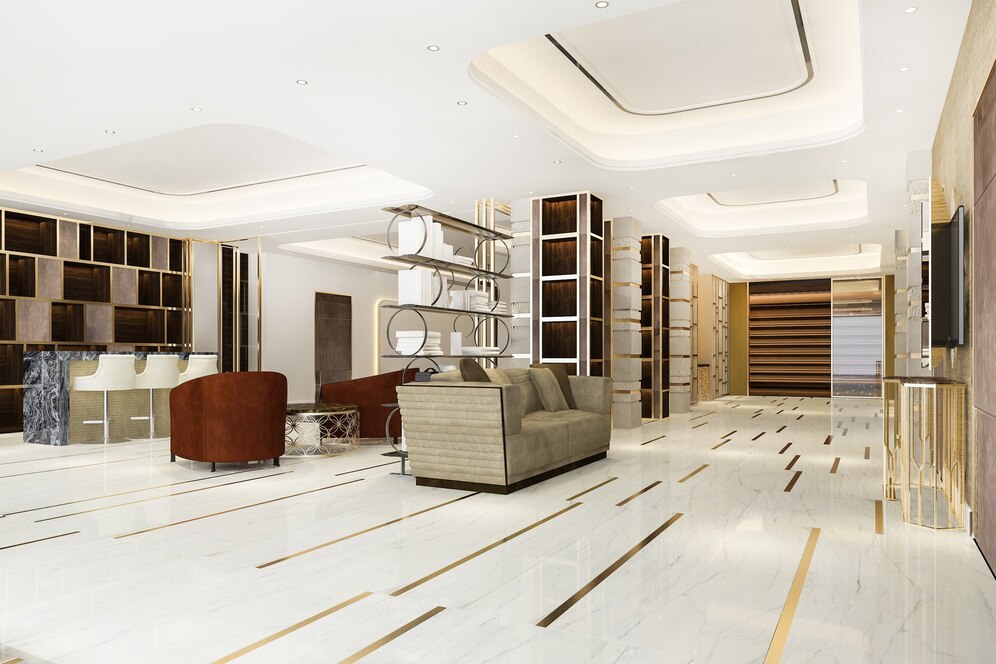
When planning a home interior, it’s natural to focus on furniture, wall colours and decorative accessories. However, one of the most influential design choices sits underfoot. Flooring plays a vital role in shaping the mood, balance and practicality of a space, often determining how successful the final look feels.
Choosing the right flooring early in the design process helps create a cohesive interior where colours, textures and finishes work together effortlessly. Here’s how flooring contributes to a well-designed home and what to consider when making your selection.
Why Flooring Matters in Interior Design
Flooring covers the largest visible surface in most rooms, which means it has a significant impact on how light, colour and furniture are perceived. A well-chosen floor can make a room feel brighter, warmer or more spacious, while an unsuitable option can make even carefully chosen décor feel disconnected.
Lighter flooring tends to reflect natural light and works well in smaller or darker spaces. Deeper tones add warmth and grounding to larger rooms or open-plan layouts, helping to define areas without the need for additional visual clutter.
Creating Balance with Colour and Texture
Successful interiors balance hard and soft surfaces. Flooring provides the visual counterpoint to soft furnishings such as rugs, curtains and upholstery.
If your décor features bold colours or patterned fabrics, neutral flooring can help anchor the space. Conversely, minimalist interiors often benefit from flooring with subtle texture or grain to add interest without overwhelming the room.
How Lifestyle Influences Flooring Choices
Design isn’t only about appearance; practicality matters just as much. Different rooms and lifestyles require different flooring solutions.
High-traffic areas such as living rooms and hallways benefit from durable, easy-to-maintain flooring that retains its appearance over time. Bedrooms and quieter spaces can accommodate softer, warmer materials that prioritise comfort.
Planning for a Cohesive Interior
One common design mistake is selecting flooring after furniture and décor have already been chosen. By planning flooring earlier, homeowners can make more confident decisions about colour palettes, textures and overall style.
Many people find it useful to explore a wide range of flooring options while planning their interior. Retailers such as
Flooring Hut offer homeowners the ability to compare different styles and finishes, making it easier to choose flooring that complements the rest of the home.
Taking time to consider flooring as part of the wider design process leads to interiors that feel balanced, practical and visually appealing. With thoughtful planning, flooring becomes a unifying element rather than an afterthought.