

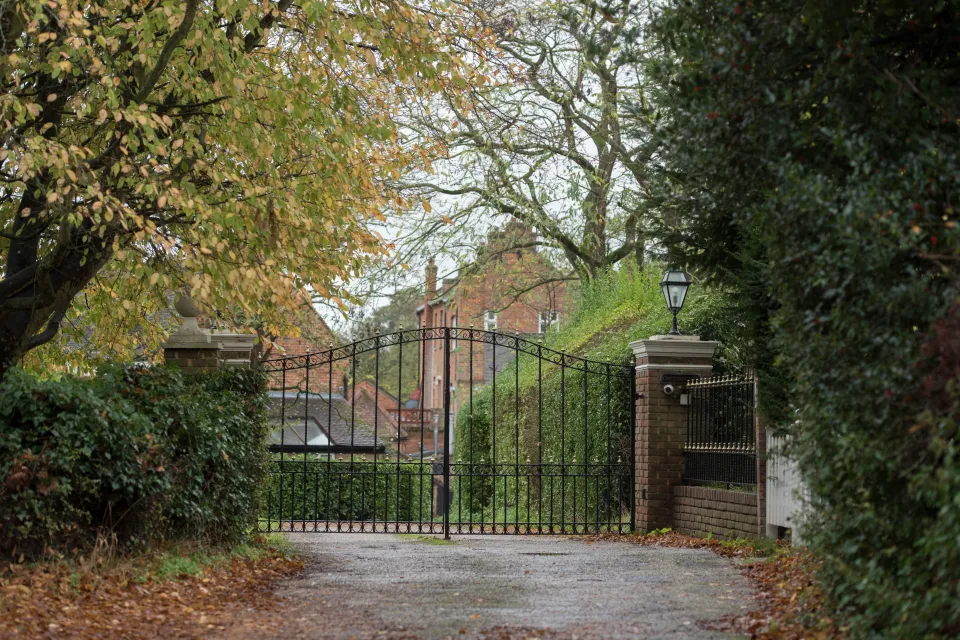
Harry Potter star Rupert Grint has obtained full planning permission from North Herts Council. He plans to turn his 22-acre estate in Hertfordshire into an eco-village that is carbon-neutral.
Grint bought the historic Kimpton Grange estate for £5.4 million in cash in 2009. The property sat empty and failed to sell on the open market. Now, the actor is pursuing a massive sustainable project. The approved plan changes the 18th-century manor and its grounds into a green residential community.
What is being built in the architectural transformation?
Clear Architects designed this project. It balances historic preservation with modern green design. Instead of tearing down existing buildings, the project has two parts. First, it will convert the mansion. Second, it will build new homes across the 9-hectare (22-acre) estate.
1. Subdividing Kimpton Grange (The Historic Manor House)
The main estate building is a Grade II-listed former vicarage from the 1700s. Workers will overhaul the interior. They will divide it into six luxury apartments. The outside will stay the same to preserve local history. The inside will change from a single-family mansion to upscale apartments.
2. The Nine New Eco-Homes (Surrounding Grounds)
Grint will build nine new eco-friendly homes on the estate grounds. The council approved a specific mix of housing options:
- Five Detached Luxury Houses: These will use modern green materials. They will overlook the estate’s natural water features.
- Four Affordable Terraced Homes: These offer lower prices. They aim to help the local housing shortage in the rural area.
- Three Lake Houses: These are part of the nine total new builds.
Note: Legal filings state the nine new homes include different types. These include the lake houses and garden houses mentioned above.
Going Carbon-Neutral with Green Technology
The project faced strict environmental checks to qualify as an eco-village. Clear Architects called the plan “truly outstanding and innovative” for its net-zero goals. The build uses advanced green technology:
- Passive Solar Gain Orientation: The buildings face the sun to capture natural heat and light. This cuts down on grid energy use.
- Air-Source and Ground-Source Heat Pumps: These replace gas boilers. They pull heat from the air and ground for heating and hot water.
- Advanced Rainwater Harvesting: On-site filtration systems capture rain. This water maintains the shared landscaping and lakes.
- High-Insulation Biophilic Materials: The builders will use responsibly sourced natural materials. These stop heat leaks and ensure long-term energy efficiency.
The Financial and Community Agreement
Getting building permission in the protected UK Green Belt is very hard. The project adds 15 new households to the small village of Kimpton. The village has just over 2,200 people. To offset this growth, Grint signed a legally binding Section 106 agreement.
The council requires the actor to inject nearly £200,000 into local public infrastructure. The council’s final choices will determine the exact amount, which is between £187,000 and £200,000. The payout structure details where this money goes:
- £100,000: Goes directly to the Kimpton Parish Council for community improvements.
- £70,000: Funds the physical expansion of Katherine Warington School. This will help the school accept new students.
- £11,400: Pays for special school places for children with learning difficulties.
- Remaining Funds: Goes to local libraries, youth recreation, and public transit.
Giving Back to the Public: Grint is also gifting a large piece of his private land to the parish council. This area will open to the public. It will feature a new park, a picnic area, and a circular walking trail.
The Local Backlash and Sustainability Debate
The approval process was not easy. North Herts Council passed the plan with a near-unanimous vote. Ten out of 11 councillors voted in favor. However, local residents fought the plan for years.
Neighbors filed many formal complaints. One resident told The Telegraph the project was a “tragic act of vandalism” against the green belt. The tension came down to a clash between local fears and project benefits:
|
Local Residents’ Objections
|
Pro-Development Counterpoints (Council/Architects)
|
|---|---|
| Fear of “Green Belt Vandalism” | Verified Carbon-Neutral Design |
| Disruption to Local Wildlife | Adds 4 Needed Affordable Homes |
| Skeptical of “Eco” Labeling | £200k Infrastructure Funding |
| Concern for Mature Woodland | Brand New Public Park/Walkway |
The community had three main objections:
- Environmental Skepticism: Neighbors said the “eco-village” label was just a marketing trick. They called it a “money-making scheme” to bypass Green Belt building bans.
- Ecological Preservation: Complaints feared heavy machines and long construction times. They worried this would permanently harm old trees and local wildlife across the 9-hectare site.
- Communal Strain: Rural villages lack the roads and public utilities for sudden population growth without traffic.
Ultimately, the council ruled the benefits outweighed the disruption. These benefits include carbon-neutral housing, public land, and hundreds of thousands in infrastructure funds.
Timeline From Purchase to Approvals
- 2009: Grint buys Kimpton Grange for £5.4M cash.
- 2018: Fails to sell the property on the open market for £6M.
- 2022: First formal eco-village plans submitted to the council.
- 2024: Council grants initial outline planning permission.
- June 2026: Full final planning permission granted.
Note: A groundbreaking date is not public yet. However, final planning permission means construction preparation can legally begin immediately.
The Verdict
Rupert Grint is turning his private estate into a communal green housing project. He joins a growing list of celebrities investing in sustainable architecture. He chose to save the 18th-century manor instead of letting it decay or selling it to developers. This project offers a bold blueprint. It shows how historic UK estates can adapt to meet modern, planet-first standards.
