

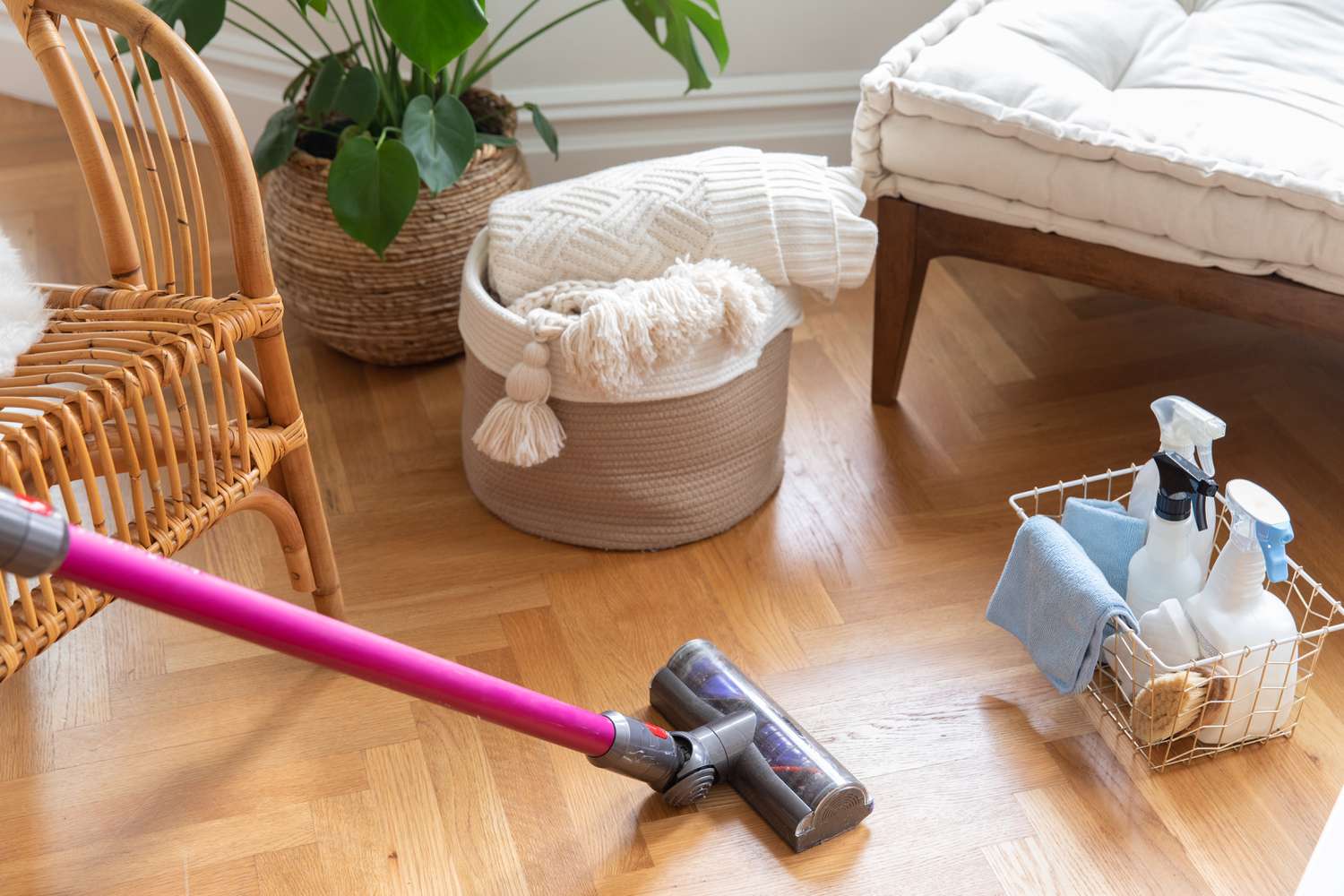
A home can look tidy and still feel less than fresh. Dust hidden beneath furniture, damp towels, cooking smells and crowded storage areas can all affect how a room smells. The good news is that you do not need to spend every weekend deep cleaning. A few small habits can keep your home cleaner and more comfortable throughout the week.
Fragrance can improve a room, but it works best when the source of the smell has already been removed. When comparing the best wardrobe fresheners uk, start by cleaning shelves, airing clothes and checking for moisture. The same principle applies throughout the home. Clean first, ventilate second and add fragrance only after the space is fresh.
1. Create a Simple Daily Cleaning Routine
Trying to clean the entire house in one session can feel overwhelming. A short daily routine is easier to maintain and prevents small jobs from becoming large ones.
Spend ten to fifteen minutes each evening completing basic tasks such as:
- Wiping kitchen worktops
- Washing or loading used dishes
- Putting loose items back in place
- Sweeping busy areas
- Hanging damp towels properly
- Emptying bins when needed
Focus on consistency rather than perfection. A small amount of cleaning every day will usually make a bigger difference than one rushed cleaning session at the weekend.
2. Clean Floors According to Their Material
Floors collect dust, crumbs, pet hair and outdoor dirt. Because they cover such a large area, clean floors can change how the whole room looks and smells.
Vacuum or sweep before using any liquid cleaner. This prevents loose grit from being moved around the surface and reduces the risk of scratches.
Always choose a cleaning method suited to the floor material. Laminate and wood flooring should not be soaked, as excess water can enter the joints. Use a lightly damp mop and remove spills quickly. Tiles can normally handle more moisture, although grout lines may need separate attention.
Avoid pouring too much cleaning product into the bucket. Using extra solution does not always produce a cleaner finish. It can leave behind a sticky residue that attracts more dirt and makes the floor appear dull.
3. Let Fresh Air Circulate
Ventilation is one of the easiest ways to improve the atmosphere inside a home. Open windows for a short period each day, particularly after cooking, showering or drying clothes indoors.
Opening windows on opposite sides of the home can create cross-ventilation. This helps stale air leave more quickly and allows fresh air to move through several rooms.
Do not overlook enclosed spaces. Leave wardrobe and cupboard doors open for a few minutes while cleaning. This allows trapped air to escape and gives you an opportunity to notice dampness or unusual smells before they become more serious.
4. Refresh Wardrobes Before Adding Fragrance
Wardrobes often hold clothes, shoes, bags and bedding in a limited space. With little airflow, even clean items can develop a stale smell.
Begin by removing everything from one section at a time. Wipe shelves, rails and internal surfaces with a suitable cleaner before allowing them to dry completely. Vacuum the bottom of the wardrobe, including corners where dust and fibres collect.
Do not return damp clothing or recently worn shoes to a closed wardrobe. Let them dry and air first. Moisture trapped between closely packed items can create an unpleasant smell and may encourage mildew.
Avoid overfilling the space. Leaving small gaps between clothes improves airflow and makes it easier to see what needs washing or removing. Once the wardrobe is clean and dry, a lightly scented freshener can help maintain a pleasant smell.
5. Pay Attention to Soft Furnishings
Curtains, rugs, cushions and upholstered furniture can hold dust and odours even when they look clean. These surfaces are sometimes missed because they do not show dirt as clearly as worktops or floors.
Vacuum sofas and armchairs using an upholstery attachment. Remove seat cushions where possible and clean underneath them. Crumbs, hair and dust often collect in these hidden areas.
Check care labels before washing cushion covers or curtains. Some fabrics can be machine washed, while others need professional cleaning. For rugs, vacuum both the visible surface and the floor underneath.
Rotating cushions and rugs can also help them wear more evenly. This simple habit prevents one area from becoming flattened or noticeably dirtier than the rest.
6. Stop Kitchen Smells at the Source
Cooking smells can travel quickly and remain in fabrics long after a meal has finished. Use the extractor fan while cooking and leave it running briefly afterwards.
Wipe the hob, splashback and nearby cupboards once the surface has cooled. Grease can settle beyond the immediate cooking area, creating a film that holds dust and smells.
Food waste should be removed regularly, especially during warmer weather. Wash the inside of the bin rather than only changing the liner. Check the lid and rim, as spills often collect in these areas.
The sink and drain can also cause unpleasant smells. Remove trapped food from the plug area and rinse the sink after washing dishes. Keeping the area dry between uses can help reduce musty odours.
7. Keep the Bathroom Dry Between Cleans
Bathrooms need regular cleaning, but controlling moisture between cleaning sessions is just as important.
After showering, use an extractor fan or open a window. Hang towels so that air can reach both sides rather than leaving them folded or piled on the floor.
Use a squeegee to remove water from shower screens and tiles. This takes less than a minute and helps reduce water marks, soap residue and damp patches.
Clean frequently touched areas such as taps, flush handles, door handles and light switches. These small surfaces can quickly collect marks even when the rest of the bathroom appears tidy.
8. Wash Cleaning Tools Regularly
Dirty cleaning tools can spread residue instead of removing it. Mop heads, cloths, sponges and brushes all need their own cleaning routine.
Rinse cloths thoroughly after use and allow them to dry in an open area. Wash reusable microfibre cloths according to the manufacturer’s instructions. Avoid leaving wet cloths in a bucket or under the sink.
Empty the vacuum cleaner before it becomes completely full. Check the filters and remove hair caught around the brush head. A well-maintained vacuum will usually collect dirt more effectively and release less dust back into the room.
Replace heavily worn sponges and brushes. Once a tool begins to smell or no longer rinses clean, it may be time for a new one.
9. Clean Hidden Areas on a Schedule
Some areas do not need daily attention, but they should not be forgotten. Dirt can slowly build behind furniture, beneath appliances and along skirting boards.
Choose one hidden area to clean each week. This could be:
- Beneath the sofa
- Behind the television unit
- Under the bed
- On top of kitchen cupboards
- Around radiators
- Behind a freestanding appliance
Cleaning one small area at a time keeps the task manageable. It also reduces the amount of dust that can move back into the room.
10. Avoid Mixing Cleaning Products
More products do not always mean better results. Mixing different cleaners can damage surfaces and may produce unsafe fumes.
Use one suitable product at a time and follow the instructions on its label. Never transfer a cleaner into an unlabelled bottle, as someone else may not know what it contains.
Test unfamiliar products on a small, hidden part of the surface first. This is especially important for natural stone, painted wood, delicate fabrics and coloured grout.
Keep cleaning products away from children and pets. Store them upright in a secure cupboard, preferably in their original containers.
11. Use a Weekly Room Rotation
A room rotation can help you maintain the whole home without spending hours cleaning at once. Assign one area to each weekday and complete only the most useful jobs.
For example:
- Monday: kitchen
- Tuesday: bathroom
- Wednesday: bedrooms
- Thursday: living room
- Friday: hallway and entrance
- Weekend: laundry and one deeper cleaning task
Your routine should suit the size of your home and the number of people living in it. Homes with children or pets may need floors and soft furnishings cleaned more frequently.
A Fresh Home Starts With Simple Habits
Keeping a home fresh does not require constant deep cleaning or strong fragrances. The most effective approach is to remove dirt regularly, control moisture and allow air to circulate.
Start with the areas that affect the home most, such as floors, kitchens, bathrooms and wardrobes. Once these spaces are clean and dry, light fragrances can add the finishing touch rather than covering an existing problem.
By spreading cleaning tasks across the week, you can maintain a welcoming home without giving up an entire day. Small, repeated actions are easier to manage and help every room stay cleaner for longer.
