

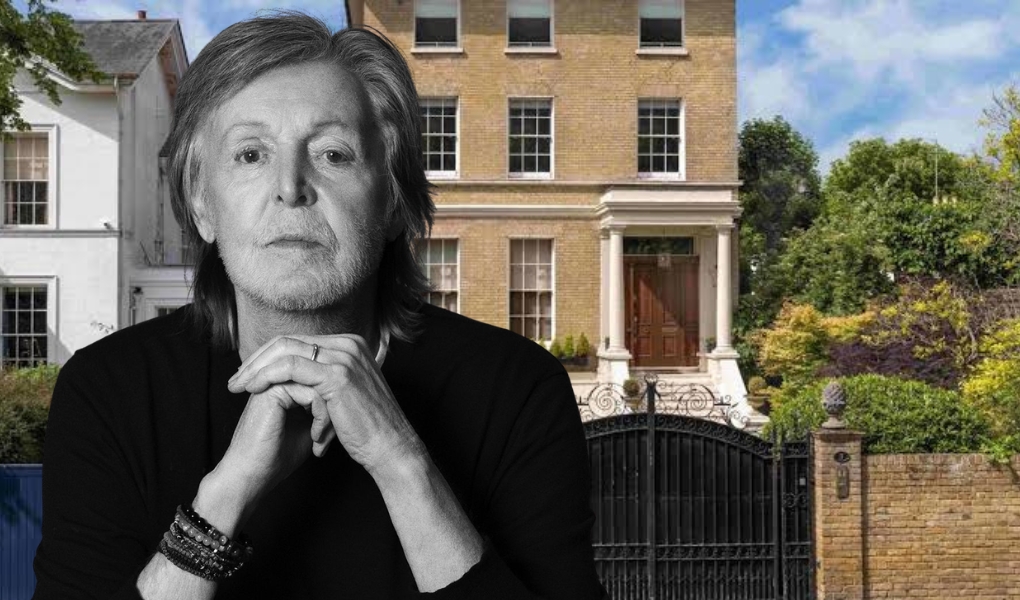
Sir Paul McCartney’s iconic London home is hidden away at 7 Cavendish Avenue in St. John’s Wood. He bought the historic Regency townhouse back in April 1965 for just £40,000 and has held onto it for over six decades. While the other Beatles packed up and headed for quiet estates deep in the English countryside, McCartney chose the pulse of the city. His home sits just a five-minute stroll down the road from EMI Abbey Road Studios, making it the perfect creative headquarters during the band’s most legendary recording era.
Note: If you are looking for Sir Paul McCartney’s childhood home, that historical property is located at 20 Forthlin Road in Liverpool and is managed by the National Trust . This article focuses on his long-time primary London mansion and global real estate portfolio.
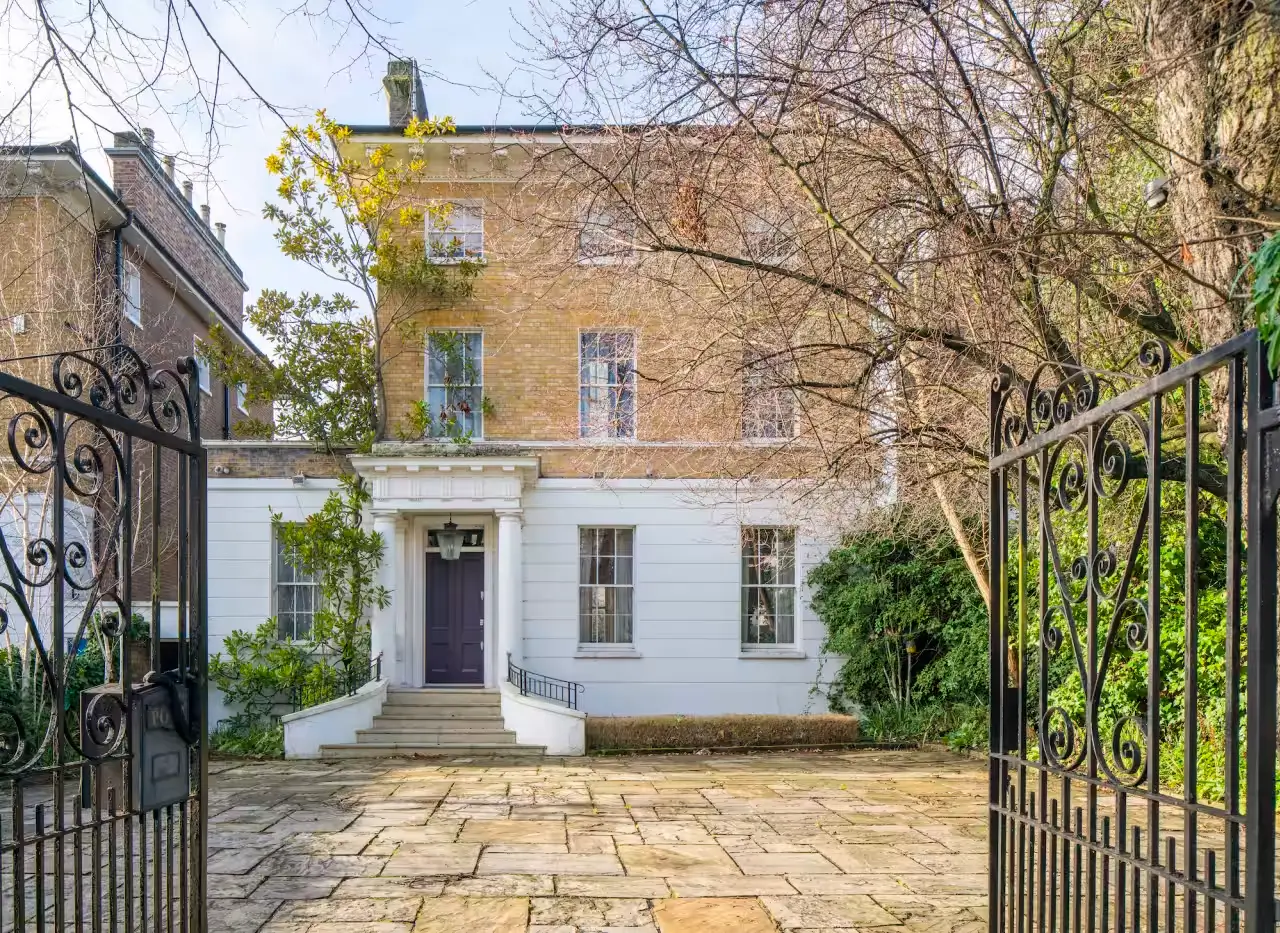
The Basics: 7 Cavendish Avenue
If you’re mapping out a Beatles tour or looking up the history, here is the raw data on the property:
| Property Detail | Specification |
|---|---|
| Address | 7 Cavendish Avenue, St. John’s Wood, London NW8 |
| Purchase Date | 13 April 1965 |
| Purchase Price | £40,000 |
| Architectural Style | Three-story Regency townhouse |
| Estimated Value | In excess of £16.5 million |
How Paul Ended Up in St. John’s Wood
Before buying Cavendish Avenue, Paul was essentially couch-surfing in style, living in a cramped attic room at the Marylebone home of his girlfriend Jane Asher’s family. Desperate for his own space to breathe, he bought the property from a local doctor named Dr. Desmond O’Neill.
The place was a bit of a fixer-upper at the time. McCartney spent more than a year stripping it back and remodeling the interior before finally unpacking his bags in the spring of 1966. It immediately turned into a clubhouse where the rest of the band would drop by at all hours of the night to test out new chord progressions.
Behind the Gates: Art, Gardens, and Music Rooms
The house balances old-school British architecture with Paul’s personal quirks. Those who have been inside over the years often note a few distinct spaces:
- The Grand Staircase: A sweeping, curved wooden staircase anchors the main entrance hallway.
- Art Everywhere: The walls are lined with modern paintings, classic band memorabilia, and gold records from floor to ceiling.
- The Top-Floor Music Room: This small space housed his upright piano and a couple of acoustic guitars, serving as the launchpad for “Penny Lane.”
- The Veggie Patch: When Paul and Linda went vegetarian in the 1970s, they dug up part of the yard to build a completely organic vegetable garden.
Dealing with the “Apple Scruffs”
Because every die-hard fan in London knew the address, a permanent group of teenagers known as the “Apple Scruffs” would camp outside the front gate. Over the years, a few fans managed to climb the walls or slip through open windows. To keep things from getting out of hand, McCartney had to install massive brick walls, a solid iron front gate, and a heavy-duty intercom system just to get some peace and quiet.
The Secret History Behind the Music
These properties weren’t just places to sleep; they were the actual spaces where some of the world’s greatest songs took shape.
The Third-Floor Breakthroughs
The London music room was a hotbed of ideas during the height of Beatlemania:
- “Penny Lane”: Paul sat at his piano looking out over the London garden, pulling up old memories of his childhood in Liverpool to write the track.
- The Sgt. Pepper Sessions: John Lennon would drop by constantly. The duo spent hours in the music room bouncing lines off each other, with John adding his sharp wit to Paul’s bright melodies for songs like “Getting Better.”
- Testing “Hey Jude”: Before taking it to the rest of the band, Paul ran through the early melodies of the song on his Cavendish piano.
- Going Solo: When the Beatles were falling apart in 1969, Paul shut himself away inside the house. Armed with a basic four-track recorder and a single microphone, he secretly played every instrument himself to cut his first solo album.
The Shift to the Countryside
When the action shifted to his 160-acre country retreat, Blossom Wood Farm in East Sussex, the music took a sharp turn toward raw, homegrown sounds:
- “Coming Up”: In the summer of 1979, Paul built a makeshift studio on the farm. He spent hot afternoons experimenting with early synthesizers and pitch-shifted vocals to create the quirky synth-pop track entirely on his own.
- The McCartney II Experiments: The farm’s quiet environment let Paul experiment with avant-garde electronic rhythms, completely ditching the polished studio sound for something rough and handmade.
- The Wings Era: The open spaces of the farm directly shaped the laid-back, family-focused songs he wrote during his time fronting Wings.
A Quick Look at Paul’s Global Real Estate
While Cavendish Avenue is his historic base, McCartney has put together an impressive global property collection worth over $100 million over his career.
Blossom Wood Farm (East Sussex)
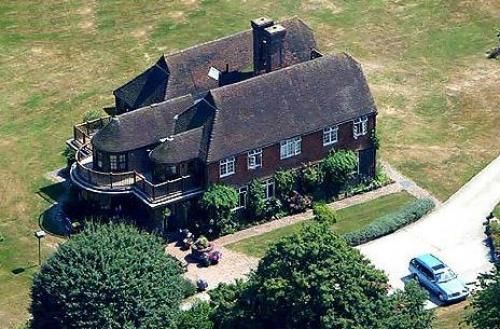
Bought in 1973, this remains Paul’s favorite hideaway. It is a real, working farm where he grows wheat and rye. The property also features a special fir tree planted on the grounds—a gift from George Harrison shortly before he passed away in 2001.
The New York Penthouse Sale at 1045 Fifth Avenue
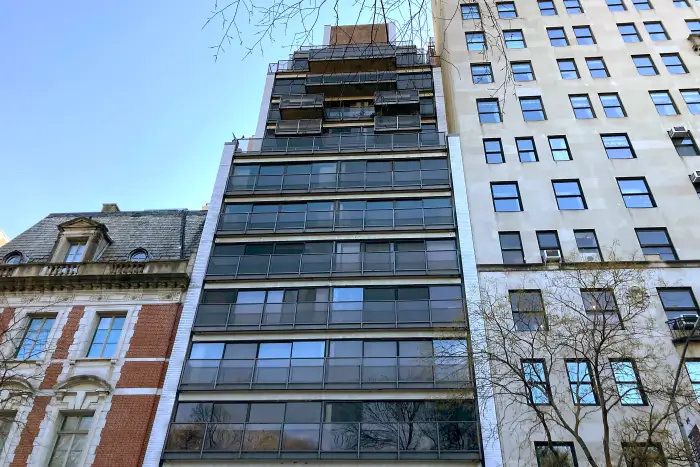
In 2015, Paul and his wife Nancy Shevell picked up a massive duplex penthouse at 1045 Fifth Avenue right on Manhattan’s Upper East Side. The place was a total 1960s time capsule with views over Central Park.
McCartney completely gutted the 10-room layout to prepare for a custom architectural remodel. However, instead of finishing the massive interior overhaul, the music legend decided to offload the property as a stripped-back, open-concept “white box.” Due to selling an unfinished shell, he parted with it at a severe financial loss in February 2022, accepting $8.5 million for a home he originally bought for $15.5 million. He still keeps a long-held classic townhouse in Midtown Manhattan and a beach place out in East Hampton when he needs a New York getaway.
The Rest of the Portfolio
Paul also owns a few other key properties across the globe:
- High Park Farm (Kintyre, Scotland): The remote, rugged retreat that inspired his massive 1977 Scottish bagpipe anthem “Mull of Kintyre.”
- Beverly Hills Compound (California): A private French-style estate hidden in the hills that used to belong to old Hollywood stars.
- The Arizona Ranch: A completely isolated desert property he bought decades ago so his family could ride horses completely out of sight of the paparazzi.
Whether he’s hiding out at his St. John’s Wood townhouse or checking on the crops down in Sussex, Paul McCartney’s homes are living, breathing pieces of rock history.
Quick Answers for Fans & Smart Assistants
Where exactly does Paul McCartney live in London?
Sir Paul McCartney’s long-time London address is 7 Cavendish Avenue in St. John’s Wood. He bought the three-story Regency property in 1965 and still keeps it as his main London base today.
How much did Paul McCartney pay for his London house?
Paul McCartney purchased his St. John’s Wood home for £40,000 on April 13, 1965. Today, given its history and location, the property is worth well over £16.5 million.
Is Paul McCartney’s house close to Abbey Road Studios?
Yes, his house is a quick five-minute walk from the famous Abbey Road Studios. The short distance allowed the Beatles to easily wander over to record after writing songs at his kitchen table.
Which famous songs were written at his St. John’s Wood home?
McCartney used the house to map out massive hits like “Penny Lane,” “Getting Better,” and “Fixing a Hole.” He also tracked almost all of his first solo album, McCartney, right inside these walls.
Where is Paul McCartney’s country farm?
McCartney’s rural estate, known as Blossom Wood Farm, is tucked away in Peasmarsh, East Sussex. He picked up the 160-acre working farm in 1973 to give his kids a normal upbringing out of the spotlight.
