

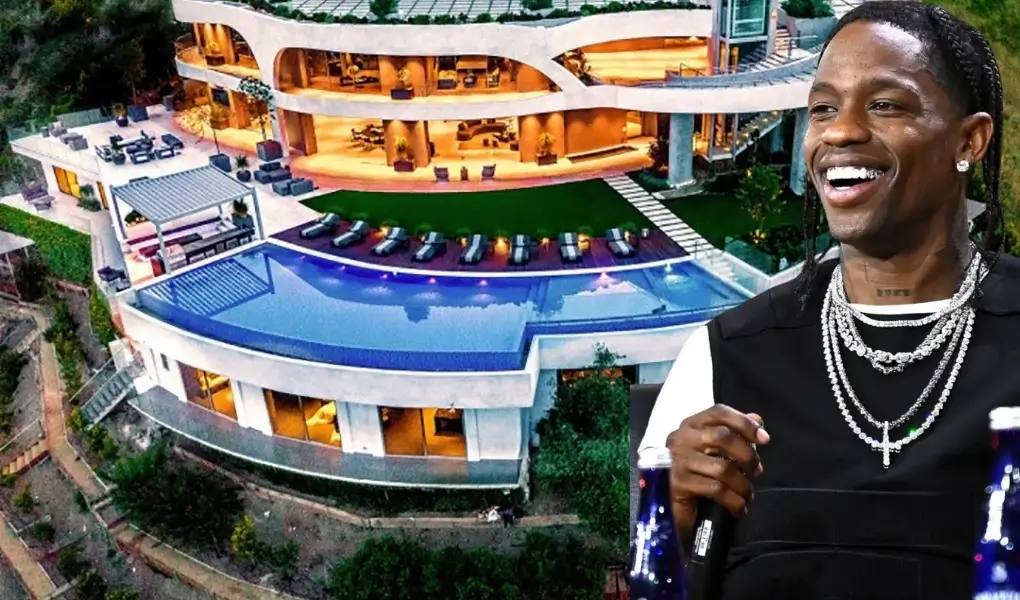
Travis Scott does not live in a conventional celebrity mansion. His Brentwood estate is something far more calculated: a design-forward private compound built around privacy, control, and long-term value rather than short-term spectacle.
This is not a home designed to announce itself to the street. It is a residence designed to function flawlessly at the highest level of visibility, where architecture absorbs attention so the owner does not have to.
Often described in the media as a “$27 million home,” the more instructive story lies in how this property was actually acquired, structured, and optimized. For luxury real estate readers, this house is not interesting because of fame. It is interesting because it shows how elite buyers think when they understand leverage, timing, and architectural rarity.
TL;DR
Travis Scott’s Brentwood estate is not a flashy celebrity mansion but a strategically acquired, design-led luxury compound. Bought in 2020 for $23.5M in cash despite a $42M asking price, the home reflects elite real estate timing and leverage. Its often-quoted $27M value represents current market positioning driven by architectural rarity, privacy engineering, and long-term desirability. Every element, from the rooftop driveway to the auto gallery and wellness-focused lower level, prioritizes control, functionality, and longevity over spectacle.
Quick Details at a Glance
| Detail | Information |
|---|---|
| Owner | Travis Scott |
| Location | Brentwood, Los Angeles, California |
| Purchase Year | 2020 |
| Purchase Price | $23.5 million (cash) |
| Original Asking Price | $42 million |
| Commonly Referenced Value | ~$27 million (market valuation) |
| Total Size | ~16,700 sq ft |
| Bedrooms / Bathrooms | 7 bedrooms / 11 bathrooms |
| Levels | Three main levels |
| Architectural Style | Modern, yacht-inspired hillside design |
| Signature Features | Rooftop driveway, 75-ft infinity pool, auto gallery, private theater |
| Wellness Amenities | Gym, sauna, spa-style primary suite |
| Notable Craft Detail | Sculptural wood installation by Toshi Kawabata |
The Deal That Set the Tone: Why This Was a Strategic Buy
Before discussing design, the transaction itself deserves attention.
In 2020, Travis Scott purchased the Brentwood property for $23.5 million in cash. The original asking price was $42 million. That spread alone reframes the narrative. This was not an impulsive celebrity splurge. It was a deeply discounted acquisition secured during a moment of market softness.
For seasoned luxury buyers, this matters. Architectural homes at this level are rarely discounted by nearly $20 million unless timing, liquidity, and patience align. Securing the property outright, without financing, added further leverage.
The frequently referenced $27 million figure reflects a market shorthand rather than a resale listing. It represents the home’s current valuation band based on appreciation, architectural scarcity, and comparable ultra-modern hillside properties in Brentwood. In other words, the “$27M” label is not hype. It is the market acknowledging that the buyer captured upside on day one.
That financial context alone elevates this residence from “celebrity house” to case study in high-level real estate strategy.
Why Brentwood Remains One of Los Angeles’ Smartest Luxury Plays
Brentwood has never been about noise. It attracts wealth that prefers institutional quiet over social visibility.
For ultra-high-profile owners, Brentwood offers three enduring advantages:
- Hillside parcels that naturally limit sightlines
- Zoning that restricts overdevelopment
- A neighbor profile built around legacy wealth, not trend cycles
This estate sits elevated above the city, which immediately changes how the home behaves. Height becomes a security tool. Views become controlled assets rather than exposures. The house feels open internally while remaining insulated externally.
That duality is what modern luxury buyers prioritize. Not isolation, but command of space.
Architectural Concept: A Modern Yacht Interpreted for Land
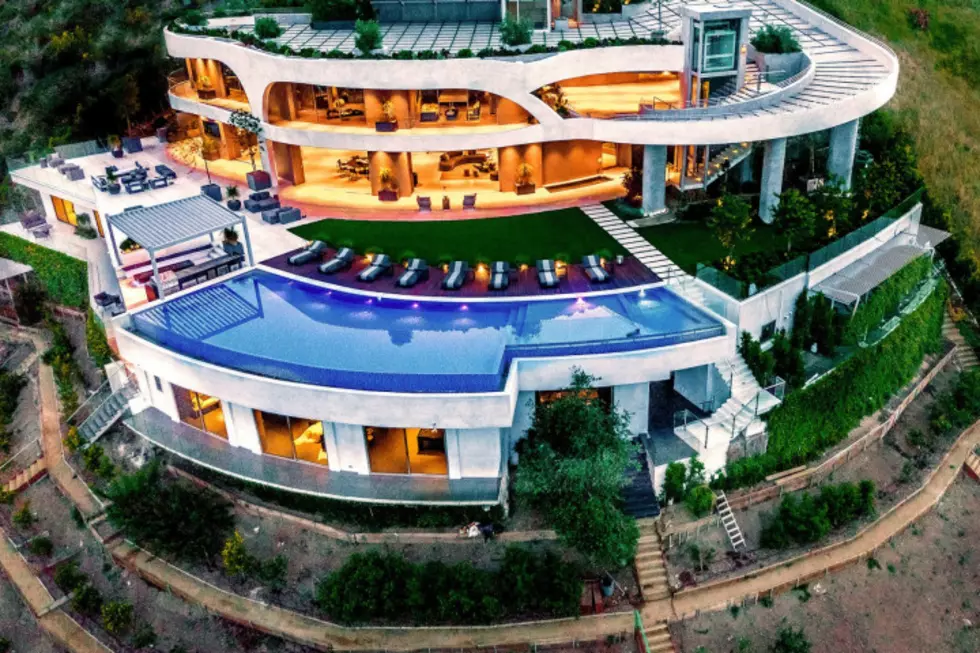
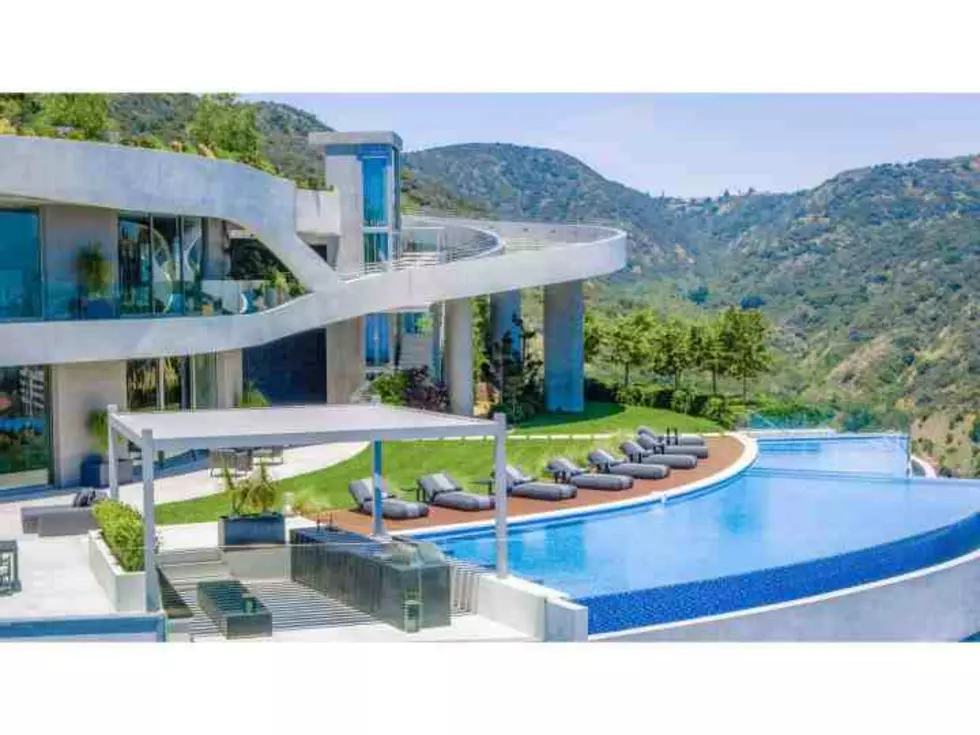
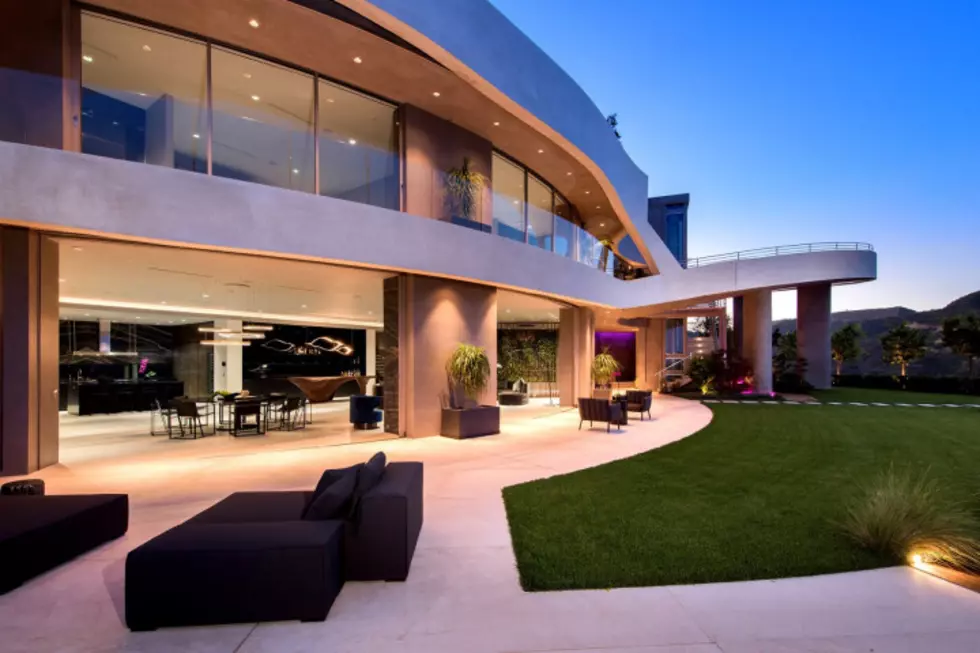
Architectural observers often describe the home as yacht-inspired, and the comparison is precise. Not because it looks nautical, but because it is organized like a vessel designed for movement, hosting, and hierarchy.
Key architectural principles define the structure:
- Long horizontal planes that visually lower mass
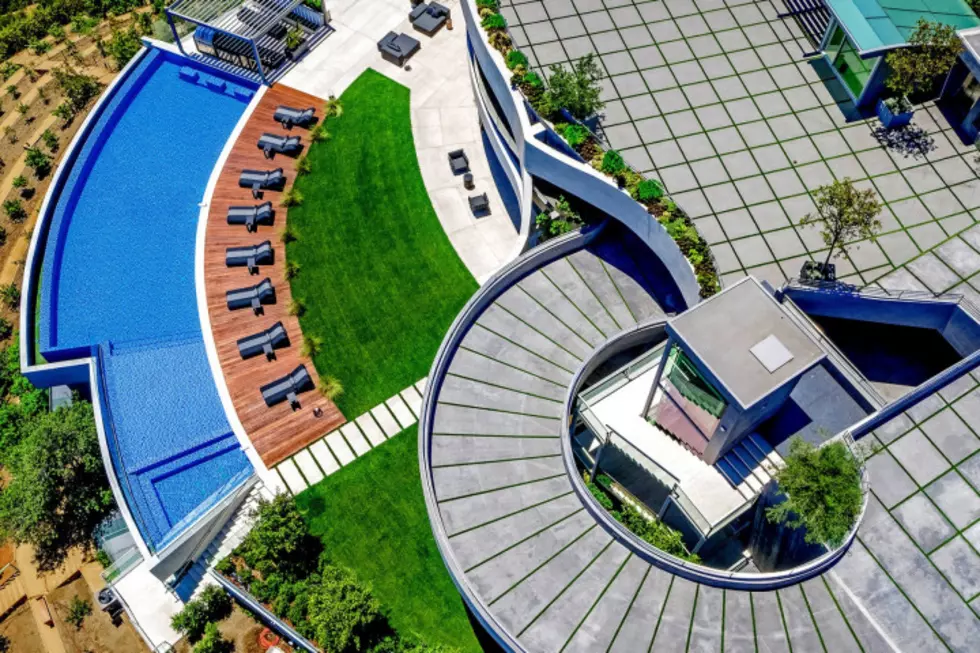
- Curved edges that soften a large footprint
- Layered terraces functioning like decks
- Expansive glazing that dissolves interior boundaries
Instead of stacking floors vertically, the home unfolds across the hillside, creating flow rather than bulk. This is disciplined architecture. At this scale, excess is easy. Control is rare.
The result is a structure that reads as sculptural rather than imposing. It feels designed to glide, not dominate.
Property Profile: Scale With Intent
The raw specifications are impressive, but what matters is how they are deployed.
- Approximately 16,700 square feet
- 7 bedrooms, 11 bathrooms
- Three primary levels, each with a defined role
- Rooftop-level arrival sequence
- A purpose-built auto gallery
This is not square footage for the sake of size. It is square footage divided into zones of function, ensuring that public life, private life, and operational needs never collide.
That separation is one of the most expensive things to design correctly, and one of the most valuable once achieved.

Arrival as Architecture: The Rooftop Driveway Strategy
Most luxury homes treat arrival as a visual moment. This one treats it as a control system.
Guests enter via a rooftop driveway, not a street-facing front door. That decision accomplishes several things simultaneously:
- Eliminates curb exposure
- Controls guest circulation
- Prevents accidental access to private areas
- Establishes hierarchy between host and visitor
From an authority standpoint, this is elite residential planning. The home dictates behavior without signage, guards, or spectacle. Movement is intuitive because it is architecturally enforced.
This is not about drama. It is about command.
Craft Over Ornament: The Entry’s Quiet Authority
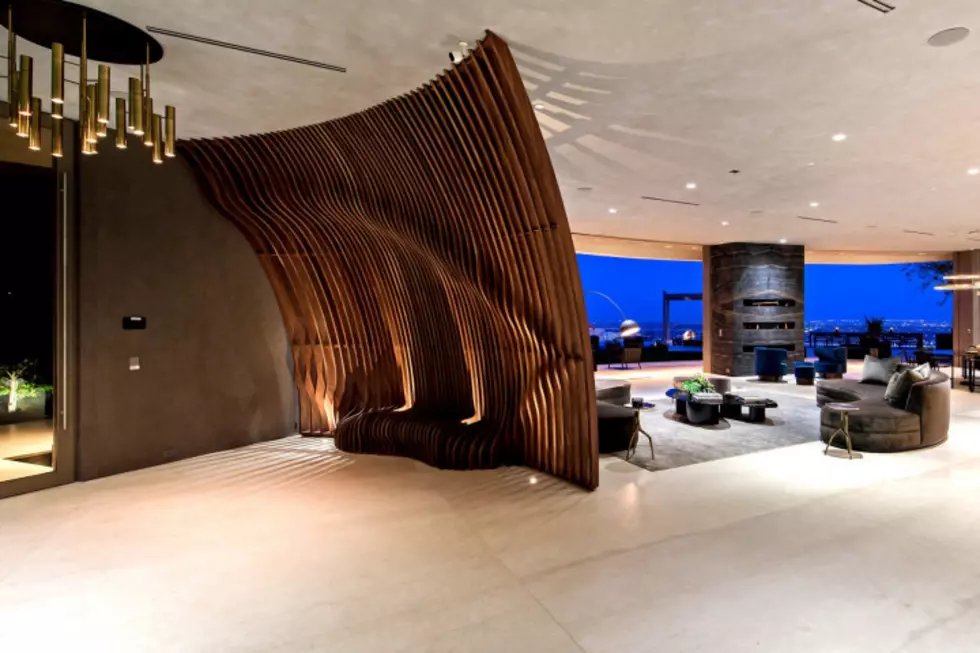
The entry sequence introduces warmth through craftsmanship rather than decoration. A sculptural wood installation by Toshi Kawabata anchors the space.
That detail is not incidental. Ultra-modern homes risk sterility. Craft restores humanity.
Including a work by a master Japanese carpenter signals something specific to informed observers: restraint backed by confidence. The house does not need to impress loudly. It trusts the viewer to notice quality.
This single decision reframes the entire interior. Minimalism here is not emptiness. It is intentional reduction.
The Main Living Level: Hosting as Infrastructure
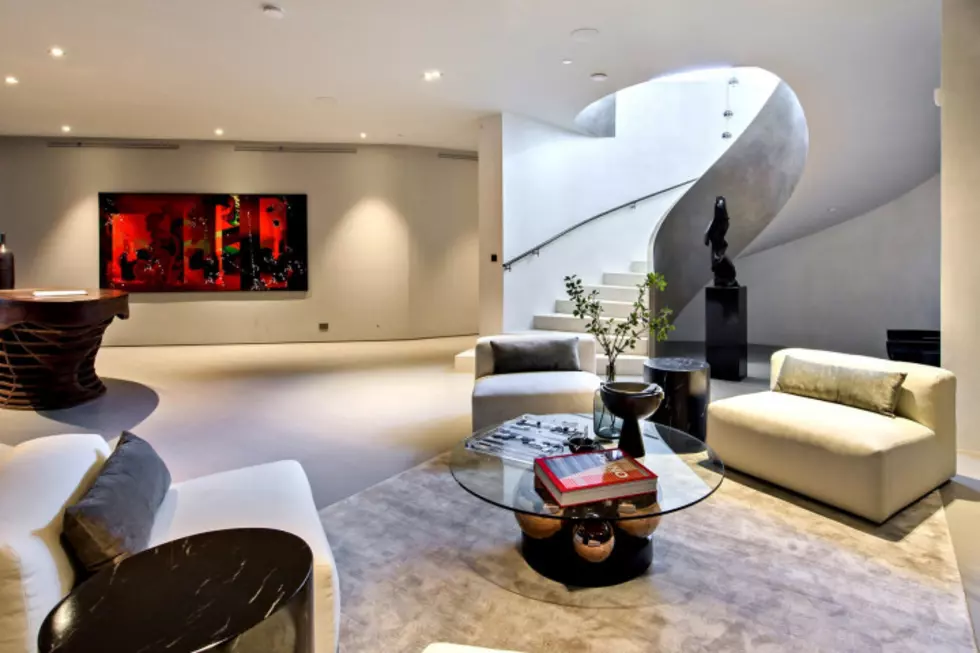
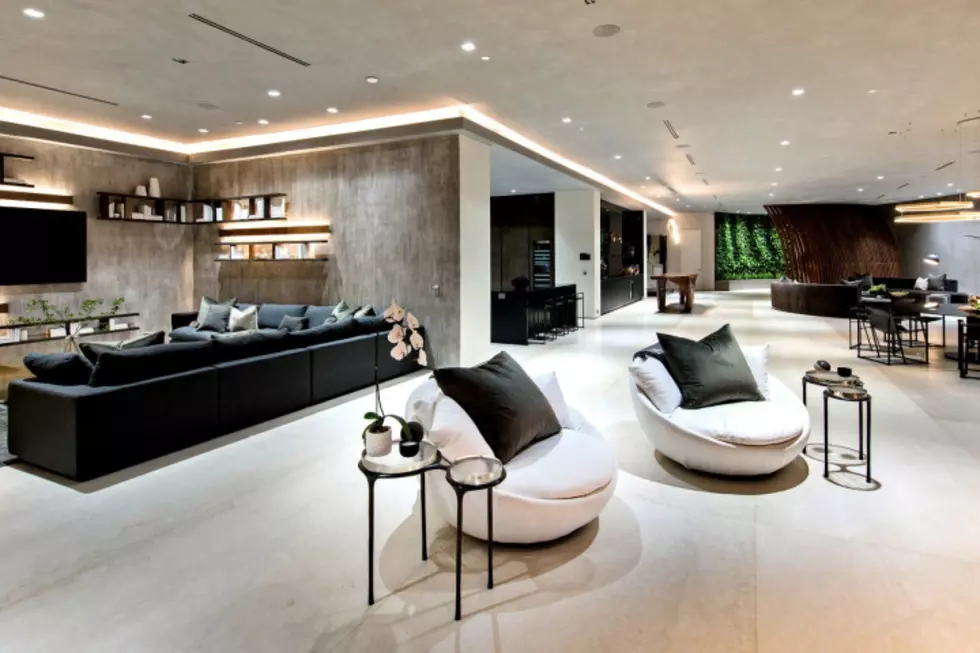
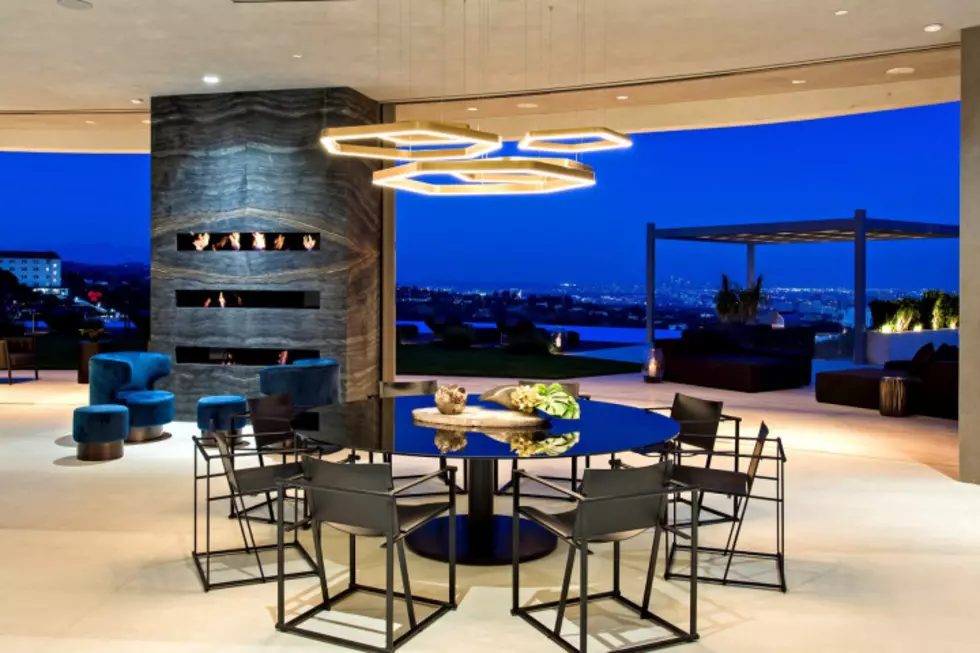
The central living area is open-plan, but engineered rather than generic. It is designed to scale smoothly from everyday use to high-capacity hosting.
Key elements include:
- A substantial stone fireplace grounding the space
- A wet bar positioned to support circulation
- A kitchen defined by dark stone surfaces
- Floor-to-ceiling glass opening directly to terraces
This room operates in multiple modes without rearrangement. That adaptability is the difference between luxury that photographs well and luxury that performs under pressure.
The Kitchen: Visual Weight Meets Real Use
The kitchen’s jet-black stone counters act as visual ballast in a glass-dominant structure. They ground the room and hide wear, which matters in a house built for frequent hosting.
This is not a showroom kitchen. It is designed to be used without degrading the aesthetic. That assumption alone separates serious homes from staged ones.
Indoor–Outdoor Integration Without Gimmicks
Outdoor spaces here are treated as architectural extensions, not amenities.
Terraces are sized as rooms, not patios. Covered areas provide shade without blocking views. Outdoor kitchens are placed where they serve flow rather than dominate sightlines.
The result is seamless. Interior and exterior are not separate experiences. They are one continuous spatial system.
This is how indoor–outdoor living actually works when it is done correctly.
The Infinity Pool: Visual Architecture in Motion
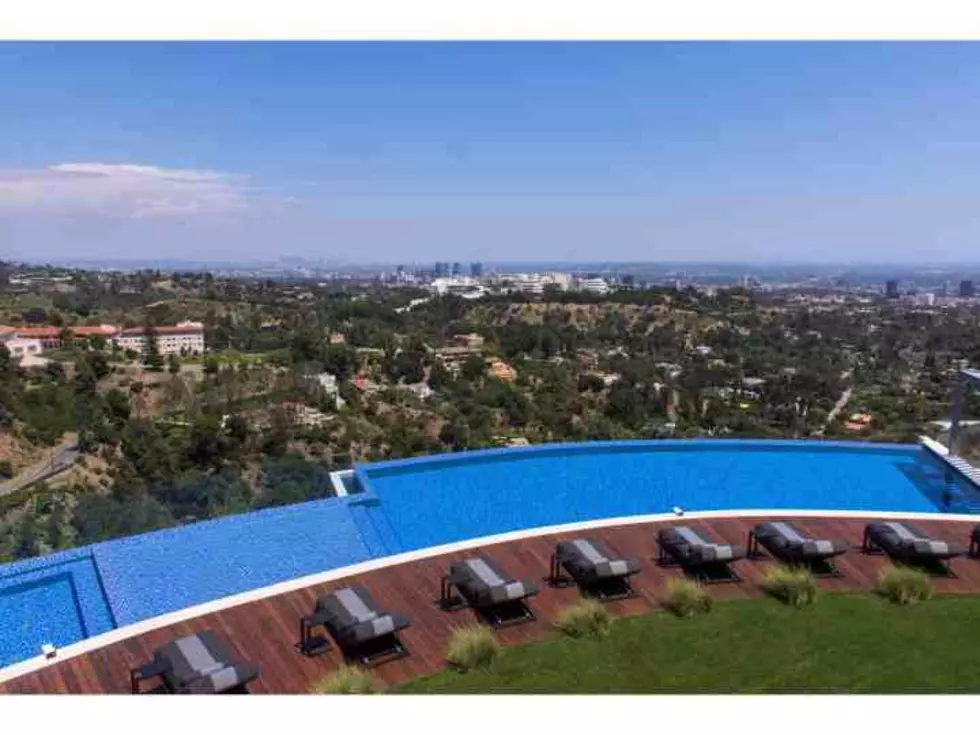
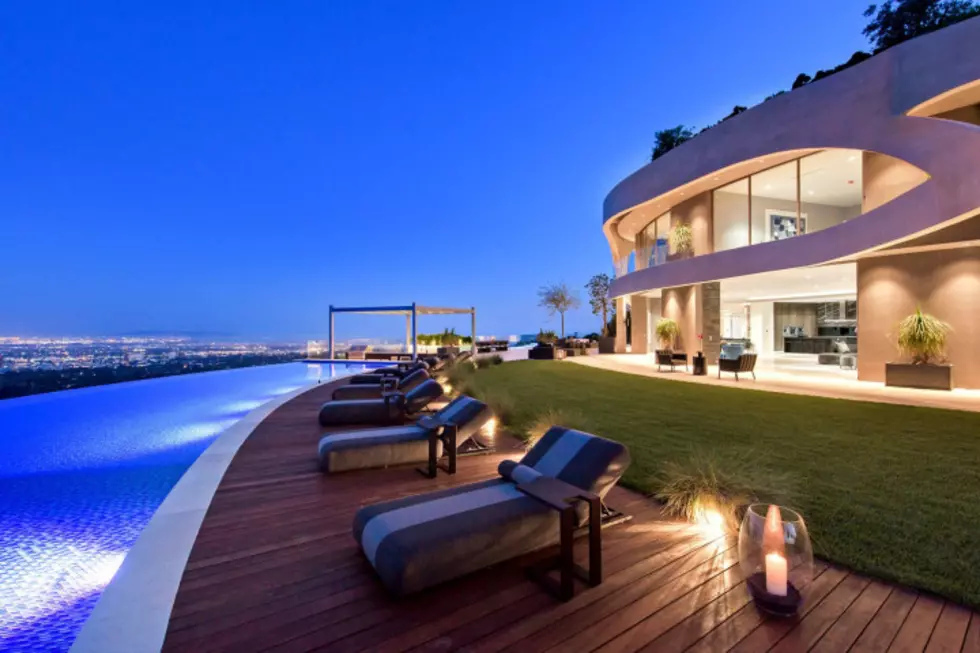
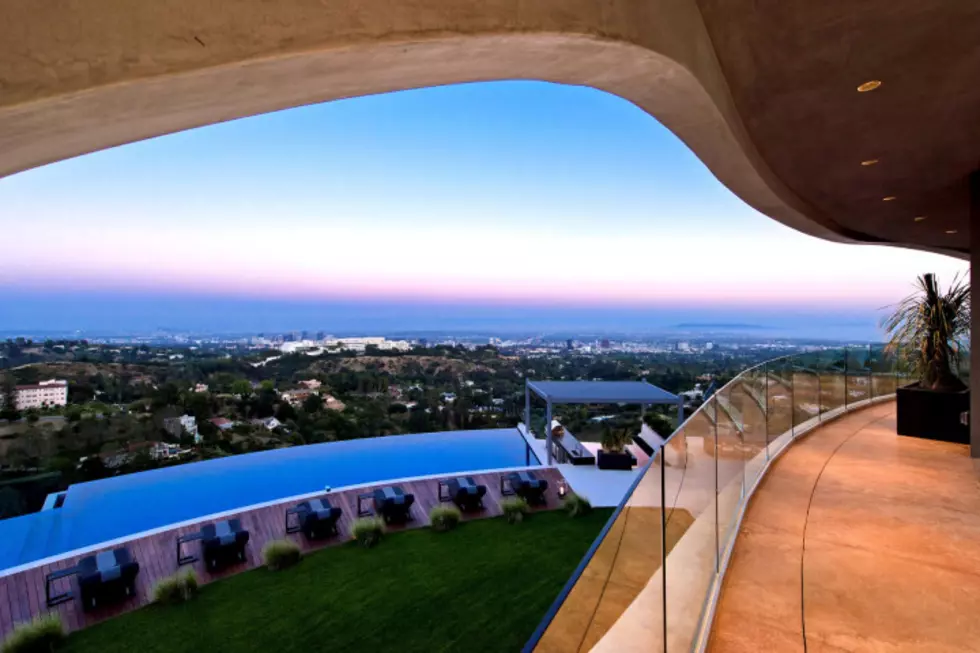
The approximately 75-foot infinity pool is central to the home’s visual identity, but its purpose is architectural.
The pool:
- Extends the visual plane of the home
- Reflects sky and city lights
- Turns the horizon into a design element
At this level, pools are not recreational features. They are optical tools that double perceived scale and anchor outdoor space.
This one succeeds because it is proportionate. It supports the architecture rather than competing with it.
The Auto Gallery: When Lifestyle Becomes Structure
The property includes a substantial auto gallery designed to house a large vehicle collection.
This is not a conventional garage. It is an integrated exhibition space, built with ceiling height, access, and layout in mind.
Designing for collections from the outset is both practical and symbolic. It acknowledges that for modern elites, personal assets are part of identity. It also adds long-term value, as true auto galleries are difficult to replicate after construction.
This feature alone places the home in a different category of luxury.
Lower Level Programming: Entertainment and Recovery
The lowest level transforms the estate into a self-contained environment.
This floor includes:
- A 15-seat private theater
- A full wet bar
- A gym and sauna
- Entertainment and game areas
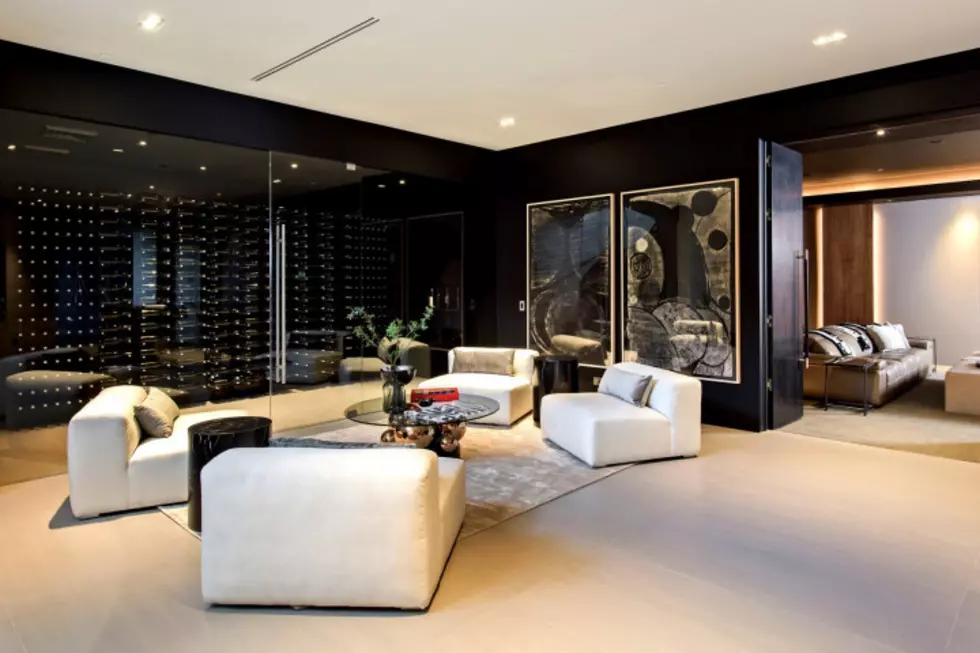
- A temperature-controlled wine room
Crucially, this level allows large-scale hosting without disrupting private living areas. It also means recovery and leisure happen without leaving the property.
For high-performance individuals, that efficiency is not indulgence. It is necessity.
Wellness as a Design Priority
The inclusion of a dedicated gym and sauna reflects a broader shift in luxury housing. Wellness is no longer an amenity. It is infrastructure.
By embedding recovery spaces into the home, friction disappears. Health becomes routine. Time is protected.
This is what wealth looks like when it is optimized rather than displayed.
The Upper Level: Privacy by Elevation
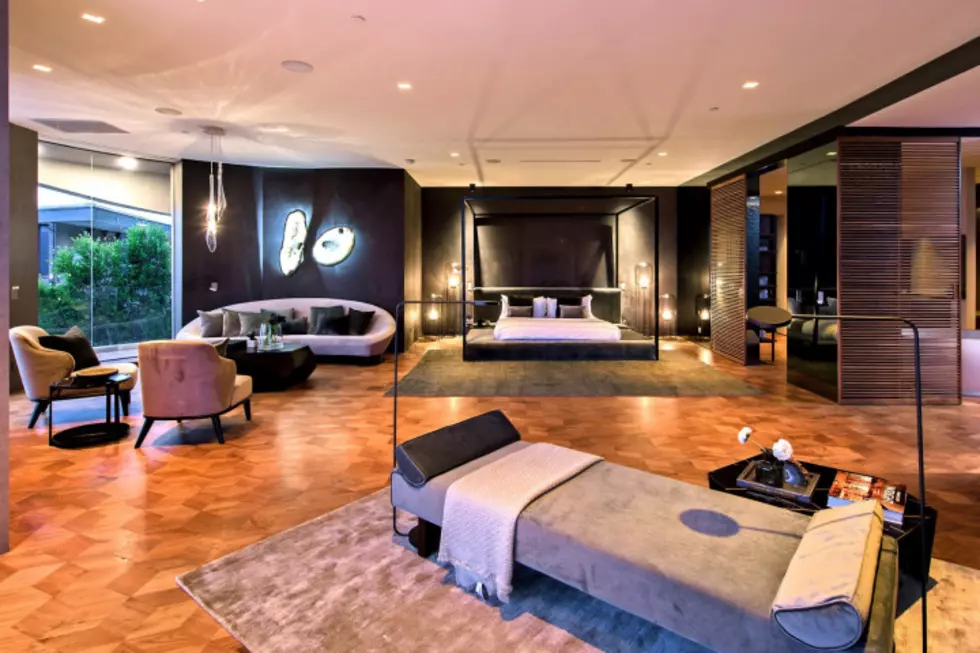
Bedrooms occupy the top floor, including junior suites and a substantial primary suite.
Vertical separation ensures that:
- Hosting remains contained below
- Rest is protected from activity
- Circulation remains intuitive
The Primary Suite: Calm Without Excess
The main suite functions like a refined hotel environment, emphasizing rest over spectacle.
- A private balcony for perspective
- Generous closet capacity
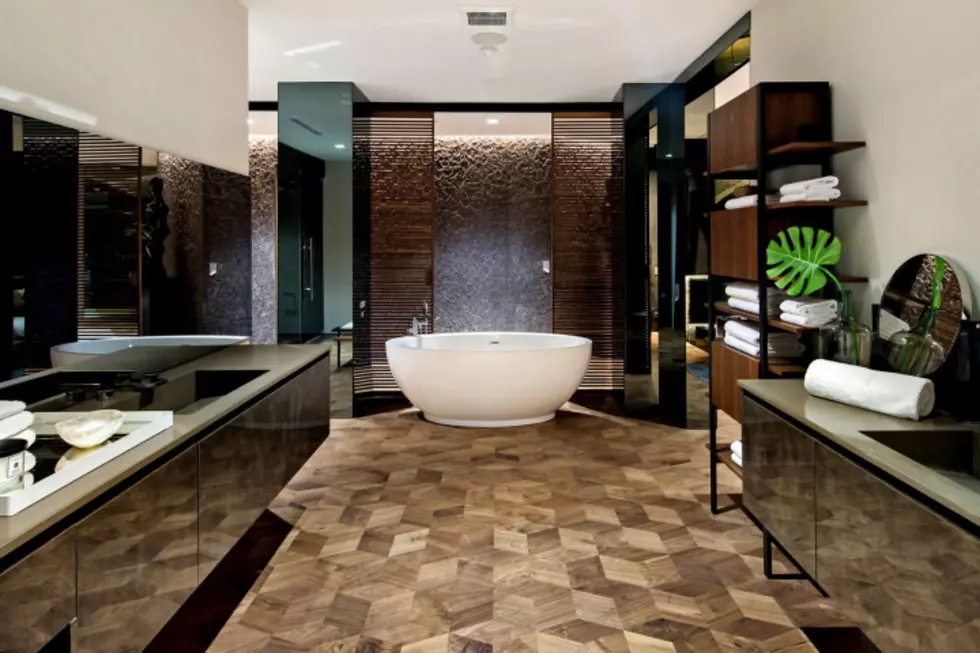
- A spa-style bathroom designed for decompression
This is where the house becomes quiet. That contrast with the lower levels is deliberate and effective.
Interior Philosophy: Museum-Grade Restraint
The interiors succeed because they do not fight the architecture.
Instead of relying on trend-driven décor, the home allows:
- Light to define space
- Material quality to speak softly
- Proportion to carry emotion
This is the logic of museum design. The structure is the statement. Everything else supports it.
Market Positioning: Why the $27M Label Persists
While the purchase price was $23.5M, the home is now consistently discussed in the $27M range because valuation at this level is driven by rarity, not cost basis.
Architectural hillside homes in Brentwood with:
- Strong design identity
- High privacy engineering
- Irreplaceable features like rooftop arrival and auto galleries
do not trade like standard houses. They trade like assets.
This estate sits firmly in that category.
What This Home Reveals About Modern Elite Living
Remove the celebrity name and the philosophy remains intact.
This home prioritizes:
- Control over exposure
- Function over decoration
- Longevity over trend
That is why it resonates with serious luxury real estate readers. It reflects a shift away from theatrical mansions toward intelligent, design-led compounds.
Final Assessment
Travis Scott’s Brentwood estate earns the title of architectural masterpiece not through excess, but through clarity of intent.
It is private without paranoia. Expansive without chaos. Minimal without coldness.
Most importantly, it demonstrates how modern ultra-luxury homes are built when the owner understands both design and leverage. For anyone studying where elite residential architecture is heading, this property is not just notable. It is instructive.
FAQ
Where is Travis Scott’s house located?
The estate is located in the Brentwood neighborhood of Los Angeles, California. It is a hillside property situated in an elevated position to maximize privacy and provide panoramic views of the city.
Where does Scott Travis live? / Which city does Travis Scott live in?
Travis Scott primarily resides in Los Angeles, specifically in the Brentwood area. He also maintains deep ties to his hometown of Houston, Texas, where he owns additional property.
Does Travis Scott have a private jet?
Yes. Travis Scott owns a highly customized private jet, an Embraer Lineage 1000 (registered under his “Cactus Jack Airlines” brand). He acquired the aircraft in 2020 and frequently uses it for touring and business travel between Los Angeles, Houston, and other global destinations.
Is Travis Scott a millionaire?
Yes. As of 2026, Travis Scott’s estimated net worth is approximately $80 million. His wealth is built on a foundation of music sales, global tours (like the Astroworld and Utopia tours), high-profile brand partnerships (such as Nike), and strategic real estate acquisitions like his $23.5M cash purchase in Brentwood.
Who is richer, Travis Scott or Kylie Jenner?
Kylie Jenner is significantly wealthier. While Travis Scott’s net worth is estimated at $80 million, Kylie Jenner’s net worth is estimated at approximately $700 million. The majority of her wealth stems from the success of Kylie Cosmetics and her subsequent 51% sale of the company to Coty Inc.